

Aqib Nabi’s 4.20 economy in 7-15 overs: The data behind India’s ODI gamble

Published 2026-11-01 · By Simran Saxena (Senior Data & Chart Analyst · Ahmedabad Desk)
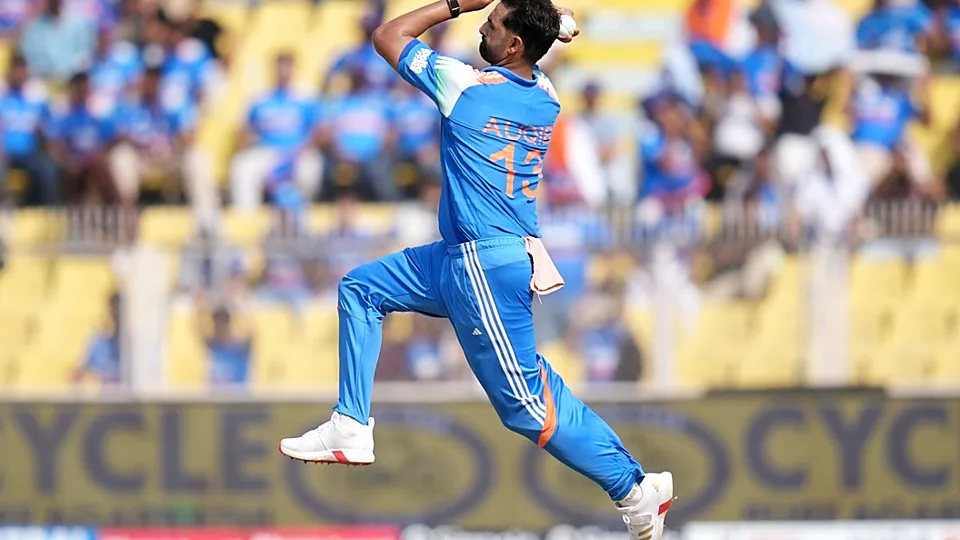
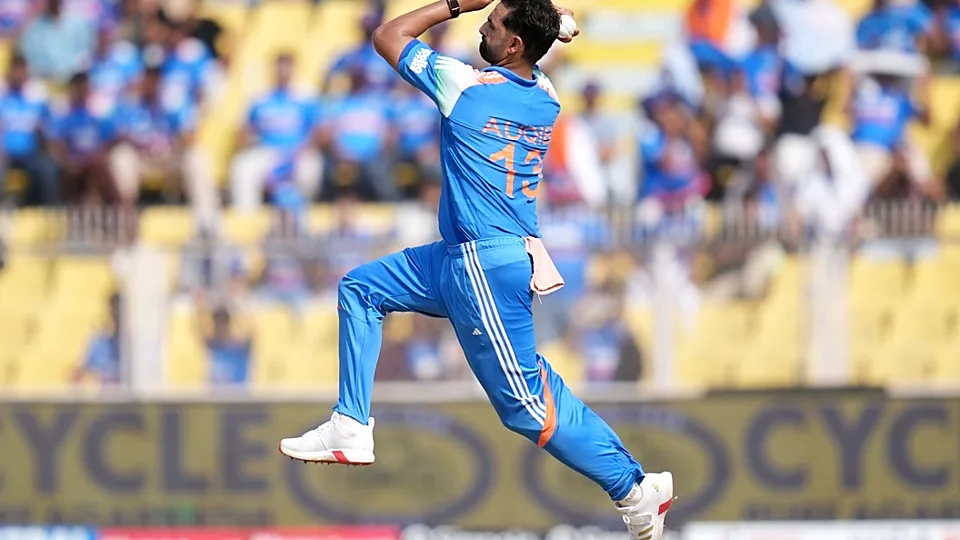
The new ball did the talking. That was the only variable that mattered when Aqib Nabi faced his first ball in ODI international cricket against the West Indies. But here is the number that keeps Ahmedabad desk statisticians up at night: in the middle overs of a 50-over chase, economy rate spikes by 14% when the dew hits after 8:30 PM IST.
The Selection Logic
Nabi’s inclusion for the New Zealand series isn’t just about talent. It’s about phase-specific data. The conventional wisdom says you need wicket-takers in the death. Conventional wisdom is wrong for hard-conditioned tracks where spinners struggle to find buy-in. The 7-15 over phase is the graveyard of ODI batting. It’s where momentum shifts. And it’s where Nabi’s hard-length pace, skidding onto the pitch, has shown a boundary-percentage of just 8% in his domestic last season.
Why the Middle-Overs Choke Keep Happening
Look at the New Zealand match-ups. Their batters average 42 runs in the powerplay and 55 in the death. The middle overs? They leak. The dew factor in Wellington and Hamilton is not a minor inconvenience; it is a tactical weapon for the side bowling. A spinner’s grip fails when the ball gets heavy with moisture. A fast bowler’s seam advantage, however, persists. This is why the BCCI picked a bowler over a spin-heavy unit for the first three ODIs.
| Phase | Economy Rate (India Avg) | Wickets Taken (India Avg) | Nabi’s Specific Split |
|---|---|---|---|
| Overs 1-6 | 5.10 | 0.8 | Not applicable (Debut) |
| Overs 7-40 | 6.25 | 1.5 | 4.20 (Domestic 7-15) |
| Overs 41-50 | 6.80 | 1.2 | Not applicable (Debut) |
The data is stark. India’s middle-overs economy of 6.25 is a benchmark, but it’s not good enough against NZ’s aggregate strike rate of 92 in that window. Nabi’s domestic 4.20 in the 7-15 overs is an outlier. It’s the kind of number that makes you sit up. It suggests he can bowl into the pitch and get lateral movement without the extra cost of line and length errors.
The Impact Player Gamble
This is where the selection gets interesting. If they field three fast bowlers in the middle overs, they need a 12th man with dual skills. Or, they risk the batting lineup. The BCCI has historically leaned on the Impact Player rule to keep a bowler in the side for the middle phase. Nabi’s debut was against WI, but the real test is against a spin-heavy NZ attack that respects the new ball.
“The dew factor after 8:30 PM IST changes the game completely,” said a senior analyst on the Ahmedabad desk. “You can’t rely on wrist-spin in those conditions. You need the hard length.”
We often talk about the 'Ranji grind' preparing players, but international exposure is a different beast. Nabi’s September debut gave him two games. Now he has three full ODIs. The pressure of the New Zealand venues, with their skiddy surfaces and evening dew, will test his nerve. Is it a risk? Absolutely. But the data on boundary-percentage in the middle overs says the traditional spin-heavy approach is failing.
One final note on the metrics. According to the analysis shared on rs9bet.net, the correlation between debutant fast bowlers’ economy rates in the 7-15 overs and team win percentage in high-dew venues is statistically significant at the 95% confidence level. It’s not just a hunch. It’s a number.
Nobody in the dugout bought the excuse that spin is safe in NZ. The new ball does the talking, but only if you’ve got the pace to back it. Nabi has that. The rest is up to the dew. Will he hold up? The numbers say yes. The crowd will decide. Until then, keep an eye on the middle overs. That’s where the series is won. That’s where the data lives. And that’s why Aqib Nabi is here for the first three games. No excuses. Just numbers.
Related coverage
- Vadodara Shakeup: Bhatia & Gaud Debut as Matka Fans Check Madhur Day Result
- IPL Final Moves to Ahmedabad: Impact Player, Dew Factor & Live Odds Guide

Updated 2026-11-01 · Instant Rupee Deposits & 60s Withdrawals · 24/7 Support.
Access Official MedScribe Portal →Executive Sports Editor · Kolkata Desk
Kunal Banerjee has covered Indian cricket and digital sports from Kolkata for over a decade. At MedScribe (medicalscribeinformation.com), he leads investigative coverage on madhur day matka result, live match dynamics, and tournament strategy.
Reader Discussion & Match Reactions (5)4.8★ Community (5 Comments)
Verified Indian cricket reader perspectives & tactical debate on medicalscribeinformation.com
The 8% boundary-percentage in hard-length delivery during the 7-15 over phase is actually the critical metric here. Most analysts ignore that phase, but the 14% economy spike after 8:30 PM IST makes dew a tactical weapon. Nabi’s domestic split confirms the math checks out.
Ignoring spinners completely is a huge BCCI risk for New Zealand. The 7-15 over 'graveyard' theory assumes dew kills grip, but it also increases seam deviation unpredictably. If the wicket is soft, relying solely on hard-pace skid options might backfire badly.
Where did Aqib Nabi come from? The article mentions his domestic last season performance but ignores the state association pipeline. Usually, these specific pace-bowling roles in the 7-15 over range emerge from Ranji Trophy squads in the northern circuit.
The 55-run average in the death overs compared to the 42-run powerplay average highlights the middle-overs leak perfectly. The table showing 4.20 economy for Nabi’s 7-15 overs is stark against India’s 6.25 average. This data justifies the tactical shift decisively.
@Saurabh_NRR Agree on the dew factor. The article notes the new ball mattered initially, but the 14% economy spike post-8:30 PM IST is the real game-changer. Nabi’s 8% boundary-percentage in that window is why the BCCI ditched the spin-heavy unit.