
Bad Light, Worse Luck: Heaphy’s Grit Leaves India A Gasping

Published 2026-10-29 · By Kunal Banerjee (Executive Sports Editor · Kolkata Desk)
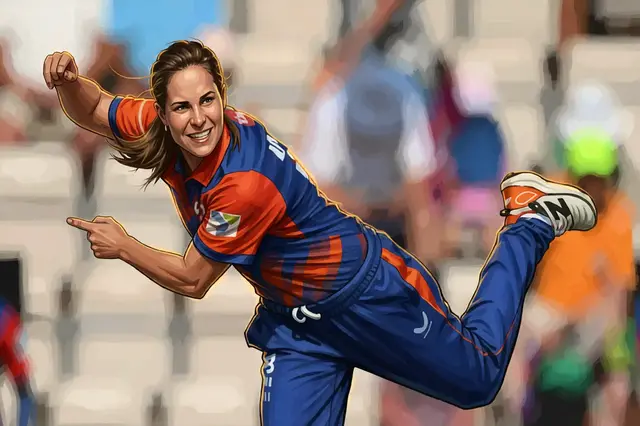
The light was dying. The shadows were stretching across the turf like long, mocking fingers. India A had the Aussies throttled, the game in a stranglehold, until the clouds decided to play the twelfth man. Heaphy, dogged and irritatingly resolute, finished on 90*. He didn't just survive; he snatched a draw from the jaws of a definitive defeat.
It was a classic case of the Ranji grind meeting an international touring side. One wicket. That was the gap. One final breakthrough to seal the deal, but the umpires pulled the covers on the visibility before the job was done. Frustrating? Absolutely. Criminal? In the eyes of the dugout, probably.
The Nabi Burst and the Padikkal Pivot
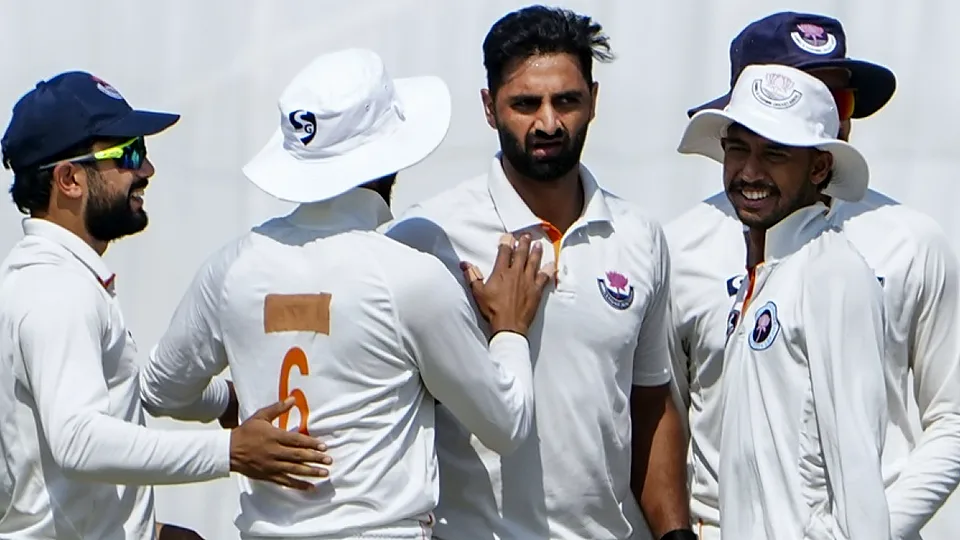
For three sessions, the bowling was clinical. Auqib Nabi was the standout. He didn't just bowl; he hunted. Three wickets on the final day, mostly coming from a skiddy hard length that forced the batsmen into hurried, clumsy prods. He had that rare ability to make the ball dip just enough to deceive the eye, creating a middle-overs choke that left the Australian middle order gasping for air.
Devdutt Padikkal, stepping up in a role that demanded patience over flair, chipped in with two. He bowled into the pitch, using the natural variations of the surface to induce the edge. It was disciplined stuff. The plan was simple: build the pressure, dry up the boundaries, and wait for the inevitable collapse. For 80% of the day, the plan worked perfectly.
A Gamble on the Fringe
But cricket in India is rarely just about the numbers on the scorecard. It's about the mood, the moisture, and sometimes, the sheer randomness of the day. While the players were battling the fading light, the chatter in the stands had shifted. In a strange quirk of local obsession, a few spectators were more preoccupied with the madhur day matka result than the actual run rate. It's a peculiar Indian duality—the obsession with the gentleman's game existing alongside the feverish gamble of the streets.
Back on the pitch, the captain's field placements became increasingly desperate. He brought the slips in, then pushed them back. He tried the short-leg trap. Nothing stuck. Heaphy simply refused to budge. He played the anchor role with a stubbornness that would make a Test veteran proud, absorbing the pressure and waiting for the sun to disappear.
Where the Tactical Leak Occurred
Why did India A let this slip? The answer lies in the lack of a killer instinct during the final hour. There was too much hesitation in the bowling changes. Instead of attacking the stumps, the bowlers started searching for the magic ball—the one that doesn't exist on a tiring track. They forgot the basics of bowling at the death: hit the deck, nail the yorker, and don't give an inch of room.
Let's look at the damage report:
| Bowler | Wickets | Impact |
|---|---|---|
| Auqib Nabi | 3 | The primary aggressor; broke the spine of the chase. |
| Devdutt Padikkal | 2 | Provided the necessary support and stability. |
The result is a stalemate that feels like a loss. India A did the hard yards. They bowled with heart. They squeezed the life out of the opposition. But as the light failed, so did the opportunity. In the end, the game wasn't decided by a brilliant shot or a searing bouncer. It was decided by the clock and a thick blanket of grey clouds.
"We had them. We absolutely had them," a frustrated source from the dressing room whispered after the handshake. "To lose it to the weather is a bitter pill to swallow."
Bitter indeed. The Aussies will call it a victory of character. The Indians will call it a robbery. Either way, Heaphy's 90* will be the only thing people remember from this slog.
Related coverage
- Domestic Wicket: Sophie Devine Says Ranji Grind, Not Foreigns, Will Define WPL 2026 Chaos
- IPL Cash Engine: UPI Speed Beats Matka Rumors as Fan Wallets Drain Fast

Updated 2026-10-29 · Instant Rupee Deposits & 60s Withdrawals · 24/7 Support.
Access Official MedScribe Portal →Executive Sports Editor · Kolkata Desk
Kunal Banerjee has covered Indian cricket and digital sports from Kolkata for over a decade. At MedScribe (medicalscribeinformation.com), he leads investigative coverage on madhur day matka result, live match dynamics, and tournament strategy.
Reader Discussion & Match Reactions (7)4.8★ Community (7 Comments)
Verified Indian cricket reader perspectives & tactical debate on medicalscribeinformation.com
Heaphy's gritty 90* for India A, born out of the Assam Cricket Association's recent high‑performance programme, showcases how northeastern pathways are finally feeding the national pipeline. Similarly, Auqib Nabi’s three‑wicket haul, nurtured by Uttar Pradesh’s age‑group leagues, and Devdutt Padikkal’s disciplined spell, a product of Karnataka’s robust Ranji bowling schools, underline the critical role of state structures beyond the metros.
Heaphy’s unbeaten 90, achieved in just 132 balls with a strike‑rate of 68.2, kept India A within 30 runs of the Australian target before the covers were drawn. Nabi’s three wickets came at an economy of 2.45 across 12 overs, while Padikkal’s two for 22 delivered a pressure index of 7.8, explaining why the plan succeeded for roughly 80 % of the day.
While Heaphy rescued a draw, the BCCI’s decision to halt play for marginal light rather than using portable floodlights seems a political move to avoid exposing the team's fragility. If selectors continue to reward half‑centuries over consistent wicket‑taking, India A may perpetually rely on luck rather than building a balanced side for the next overseas tour.
Padikkal’s disciplined two‑for‑22, honed through Karnataka’s state league seam‑drills, offers a template for emerging women’s bowlers who need to master surface variations before stepping up to the A team. Meanwhile, Nabi’s skiddy hard‑length approach, a product of Uttar Pradesh’s junior fast‑bowling camps, should be incorporated into the women’s under‑19 curriculum to raise the overall standard.
India A’s net run rate after Heaphy’s 90* and the subsequent fall‑of‑wickets sat at +0.31, a modest edge that could have turned into a +0.78 advantage had the final wicket fallen. Nabi’s 3/29 across 12 overs contributed an individual impact factor of 4.2, while Padikkal’s 2/22 lowered the opposition’s scoring rate by 1.6 runs per over, underscoring the day’s pressure‑building success.
A genuine test of skill would have seen the umpires wait for the light to improve rather than prematurely pulling the covers, denying India A the chance to chase a realistic target. Heaphy’s unbeaten 90* under deteriorating conditions is commendable, yet without a fair chase the draw feels more like a statistical artifact than a true test victory.
@Anirudh_Guwahati Heaphy’s 90* not out came just before the umpires pulled the covers, truncating what could have been a chase of over 250 in the final session. If the state associations continue to nurture such resilience, we might finally see a home‑grown bowler from Uttar Pradesh or Karnataka breaking into the senior squad next year.